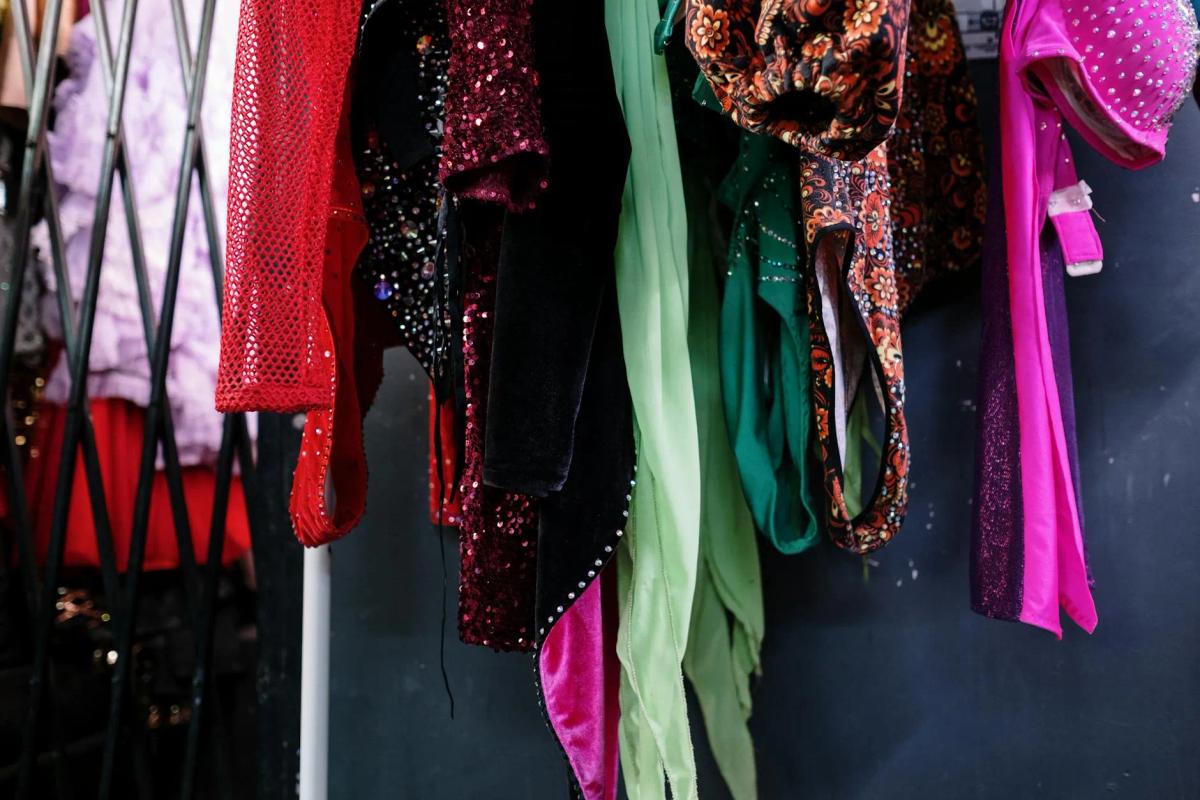
For autistic, ADHD, and otherwise neurodivergent adults, getting dressed is rarely a simple question of “personal style.” Clothing ends up doing heavy labor. It becomes a survival tool for managing sensory overload, navigating unspoken rules, and trying to feel at least somewhat like ourselves in spaces that were not built with our brains or bodies in mind.
Sometimes that means dressing to blend in. Other times it means choosing outfits that make you feel unmistakably yourself, even if that means standing out. Both can be valid. Both can be complicated.
This guide looks at how clothing becomes a form of masking, what it costs when you rely on that too much, and practical ways to build a wardrobe that supports both comfort and genuine self-expression.
What Does It Mean To Mask Through Fashion?
"Masking is the process of changing how you act, speak, or move so you seem more “typical” and less likely to be judged or punished. Clothing often gets pulled into that job.
When you use fashion as part of your mask, you might:
- Choose outfits that match what is “normal” in a specific setting
- Avoid colors, patterns, or silhouettes you love because they feel “too much”
- Prioritize looking “appropriate” or “professional” over feeling regulated or at ease
Masking is not automatically wrong. Sometimes it is about safety, survival, or just getting through a workday with less friction. The problem starts when it becomes the only way you know how to dress.
Why So Many Of Us Dress To Blend In
Every space has a quiet dress code that no one writes down but everyone seems to know.
Think about:
- Offices that expect neutral, polished business casual
- Family events where anything “different” attracts comments
- Social groups where people silently judge outfits but rarely say it out loud
If your brain is wired to notice patterns, you start reading those codes very quickly. Clothing turns into a kind of shield:
If I look like everyone else, maybe I’ll be left alone.
Example
Situation: You wear quiet, neutral colors and standard office basics to a busy meeting or conference.
Impact: There is less risk of comments like “That’s an interesting outfit.” You feel less exposed, which lowers one layer of social anxiety and makes it easier to focus on the work.
Blending in can be protective. It can reduce scrutiny at times when you already have plenty to juggle. But if every outfit is built for other people’s comfort, something gets lost.
The Emotional Cost Of Masking Through Clothing
The issue is not that you ever mask. The issue is when dressing for other people becomes your default and you never get to wear what actually feels right.
When that happens, common side effects include:
- Feeling disconnected from your own taste and preferences
- Forgetting what you genuinely like to wear
- Associating “professional” with “physically miserable”
- Feeling like your body is wearing a costume that belongs to someone else
Example
You follow a strict professional dress code every day: fitted blazers, pencil skirts, stiff collars, or trousers that dig into your waist. People tell you that you “look so put together.” Internally, you are tracking every seam, waistband, and tag. By the end of the week, you are exhausted and resentful, but it is hard to point to one obvious cause.
Over time, chronic mismatch between what you wear and what you need can lead to:
- Feeling worn down by getting dressed at all
- A blurred sense of identity
- The sense that the “real you” lives only at home in soft clothes
At a certain point, wanting to feel more like yourself in your clothes stops being a small preference and starts feeling like an actual need.
Fashion As A Tool For Authentic Self Expression
When you are not only dressing to appease other people, fashion becomes something else entirely - a way to support your nervous system and let your inner world show up on the outside.
For neurodivergent adults, dressing more authentically might look like:
- Choosing colors or prints that match your internal energy
- Wearing clothes inspired by special interests or favorite media
- Preferring silhouettes that feel like “home” instead of “costume”
- Letting yourself look “too cozy,” “too cute,” or “too much” on purpose
None of this has to look aesthetic or curated. Sometimes authenticity is simply “these are the only fabrics my body does not fight.”
Using Clothing To Express Identity
Clothing can become part of your identity language.
You might use:
- Bold colors or patterns that echo your intensity or your favorite shows, games, or books
- Playful accessories that double as stims - rings, textured bracelets, soft scarves
- Unexpected combinations like sneakers with formalwear, or a structured blazer over a graphic tee linked to a special interest
Examples
- A brightly patterned dress that feels like a grown up version of a childhood comfort outfit
- A rotation of “uniform” looks that always include one signature piece - a specific necklace, Doc Martens, a denim jacket covered in pins, a bright headband
- A mostly neutral outfit with one element that feels loudly you, like holographic shoes or a neon bag
In those moments, your clothes are essentially saying:
This is who I am, not This is what I think you want from me.
The Real Risks Of Standing Out
As freeing as visible self expression can be, it is not always simple or safe to be visibly different.
Common worries include:
- Getting comments like “You are brave for wearing that” when you did not ask for feedback
- Being labeled “unprofessional,” “immature,” or “too much”
- Drawing more attention in environments where you already feel watched
- Getting pulled into conversations about your outfit that you did not consent to
For people who deal with rejection sensitivity, even one rude remark about an outfit can feel huge. It is easy to retreat right back into the safest, blandest clothing you own.
So the internal negotiation often becomes:
- How much visibility can I handle today
- How much softness, brightness, weirdness, or comfort feels safe enough in this specific situation
Masking Vs Authenticity Is A Spectrum, Not A Switch
You do not have to choose a fixed identity like “always masked” or “always bold.” The balance between blending in and standing out is flexible.
Try thinking of your wardrobe as a spectrum:
- On one end: outfits that help you disappear in high pressure contexts when your energy is low
- On the other: outfits that express your identity clearly and unapologetically
- In the middle: outfits that let you be quietly yourself, with small details that stay true even in more structured settings
You are allowed to move up and down that spectrum based on context and capacity. That is not inauthentic. It is adaptive.
Context And Capacity: Two Key Variables
Context
Different settings call for different levels of visibility.
- High stakes spaces - job interviews, medical appointments, court, certain family events. Here, you might lean on masking through clothing to protect yourself.
- Safer spaces - friend hangouts, therapy, queer or neurodivergent community spaces, online meetups. These can be good places to experiment with bolder self expression.
Not everyone has equal access to safe environments, inclusive sizing, or flexible dress codes. None of this is a simple “just buy a new wardrobe” situation. You work with the options and resources you actually have.
Capacity
Your nervous system is not the same every day.
- On days when your sensory load or anxiety is high, comfort first and low visibility might be the kindest option.
- On days when you feel more grounded, it can feel safer to reach for brighter colors, playful textures, or more noticeable outfits.
Neither approach makes you more or less authentic. Both are ways of responding to your reality.
Practical Ways To Balance Masking And Self Expression
You do not have to burn down your closet and start over. Small, intentional changes can shift your experience of getting dressed.
Think of these as options to test, not rules to follow.
1. Build A Base Of Sensory Friendly Basics
Start with pieces that feel good on your body, regardless of whether you are blending in or standing out.
Consider:
- Soft cotton or bamboo T shirts
- Tagless garments or ones with easily removable tags
- Stretchy waistbands or adjustable closures
- Soft leggings, joggers, or non digging trousers
These can sit underneath everything else - blazers, cardigans, dresses, jumpsuits, statement pieces. Your outer layer can change based on context while your base layer keeps you regulated.
2. Use Accessories As Low Risk Self Expression
Accessories carry a lot of personality with less social risk than a full maximalist outfit.
Ideas:
- Bright or patterned socks with otherwise neutral clothes
- A single bold necklace, ring, or pair of earrings
- A patterned scarf you can remove if you feel overexposed
- A bag, backpack, or tote in your favorite colors or tied to a special interest
This lets you experiment in small doses. If it feels like too much in the moment, you can remove or tone down pieces without having to change your whole outfit.
3. Create Layered Outfits With Options
Layering gives you control over both sensory and social exposure.
Example outfit:
- Base layer: soft, neutral T shirt and leggings that feel safe and comfortable
- Add ons: bright cardigan, patterned jacket, fun shoes, or a colorful scarf
If you end up in a space where you feel overexposed, you can remove the statement layer and retreat to the comfortable core. You are not locked into one level of visibility for the entire day.
4. Mix “Masking Pieces” With “You Pieces”
Instead of splitting your closet into “real me” vs “acceptable me,” try blending elements from both piles into single outfits.
Possible combinations:
- Professional trousers plus your favorite soft printed tee under a blazer or cardigan
- A neutral dress with bright tights or statement shoes
- A plain T shirt and blazer with jewelry that references a special interest
This approach keeps your outfit legible to others while still anchored in details that are non negotiably yours.
5. Create A Small “Safe Unapologetic” Capsule
Choose a handful of outfits that feel joyful, comfortable, and completely aligned with how you want to look. Designate them as your “safe unapologetic” capsule.
These might be for:
- Low stakes social plans
- Creative work days
- Community events where you expect more acceptance
You do not have to wear these everywhere. They simply remind you what it feels like when your clothes and your identity are on the same page. Over time, you may notice those pieces creeping into more parts of your life.
Building Confidence In Your Clothing Choices
Clothing will not fix everything, but it can either support you or wear you down.
A few ways to build trust in your own style decisions:
- Check in with your body, not just the mirror. Can you breathe easily? Move freely? Is there anything you are subtly bracing against all day?
- Test new looks in low stakes contexts. Try the bolder piece at home, on a walk, or around people you feel safe with before taking it into high pressure environments.
- Pay attention to what you repeat. If you keep reaching for the same pants, shoes, fabrics, or colors, that is useful data. Build around what your body actually chooses, not what you think you “should” like.
- Treat small wins as evidence. The first time you wear softer fabrics and notice you are less exhausted by the afternoon, or wear a slightly brighter color and feel more like yourself instead of less, that is worth listening to.
You Are Allowed To Dress For Your Brain
Fashion can be performance, but it can also be support. For neurodivergent people, clothing often sits exactly at that intersection - safety, sensory comfort, identity, and visibility all woven together.
You are allowed to:
- Dress to blend in when you need protection
- Dress to stand out when you want expression
- Shift between those modes depending on the day, the room, and your nervous system
There is no single correct level of masking or self expression. There is only what your body, brain, and life can hold right now.
Your wardrobe can learn to meet you there, one outfit at a time.